
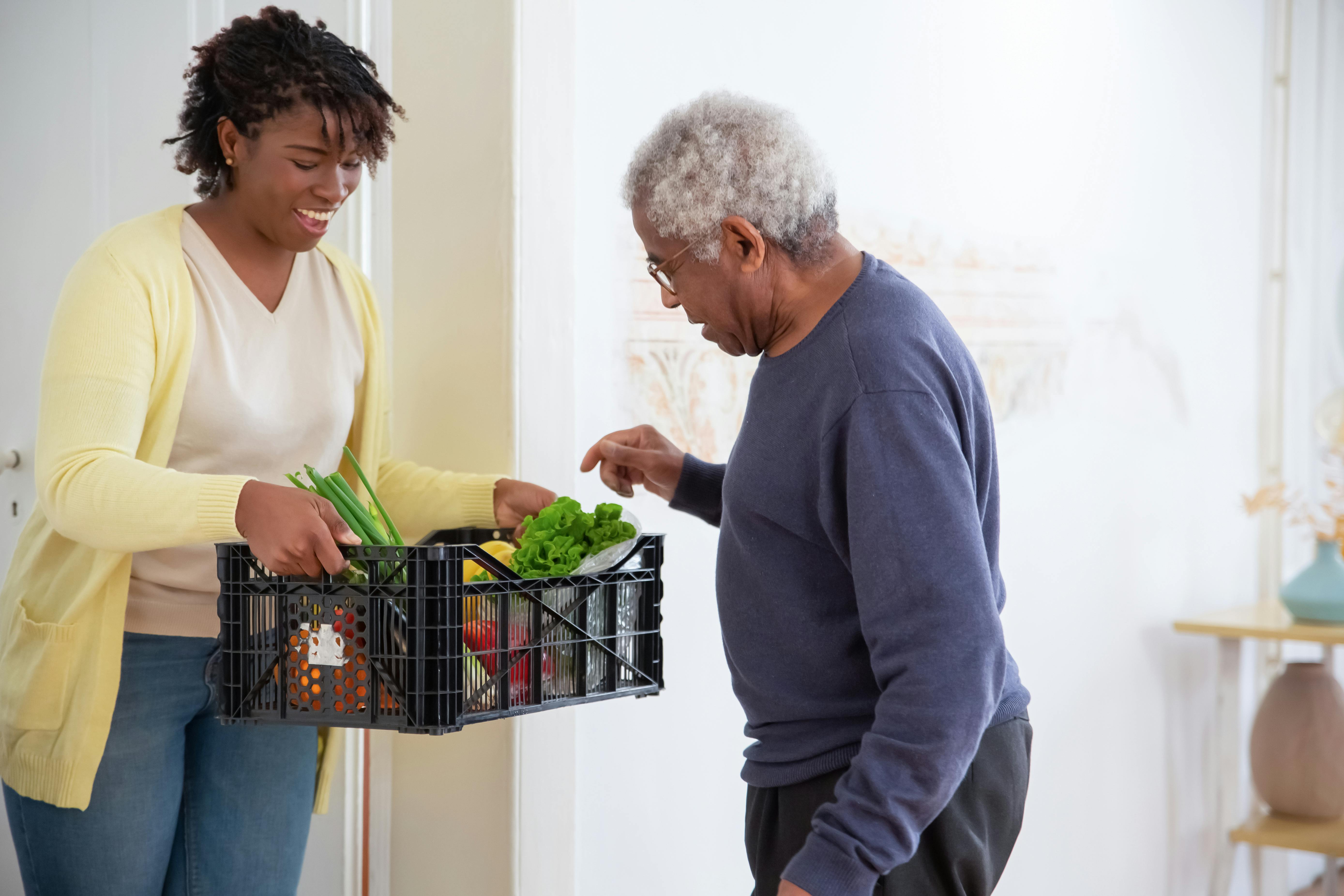
Cultivating Mutual Respect and Dignity: The Heart of Exceptional In-Home Care
In the world of in-home care, the most powerful tools aren't found in a medical bag. They are respect and dignity—the invisible threads that weave together a care experience that truly feels like home. When caregivers and clients cultivate a relationship built on mutual understanding and esteem, the entire dynamic transforms. Care becomes a partnership, a home remains a sanctuary, and well-being flourishes.
For families seeking care and for the dedicated professionals providing it, fostering this environment isn't just a nice-to-have; it's the essential foundation for safety, trust, and positive outcomes. Let's explore how to build this crucial partnership.
Why Mutual Respect is the Non-Negotiable Foundation
Respect is the lens through which all care should be delivered and received. It means:
- Valuing Autonomy: Understanding that a diagnosis or age does not define a person or strip them of their right to make choices about their own life.
- Honoring Life Stories: Recognizing that the client is a whole person with a rich history, experiences, and wisdom.
- Creating Partnership: Moving beyond a "doing for" model to a "doing with" approach whenever possible.
When respect is mutual, the caregiver feels valued for their skills and compassion, and the client feels seen as an individual, not a task list. This dramatically reduces stress, increases cooperation, and builds the trust necessary for sensitive personal care.
Practical Ways to Uphold Dignity in Daily Care
Dignity can feel fragile during times of need. Protecting it requires intentional, daily actions:
For Families & Clients:
- Communicate Preferences: Clearly share routines, likes, dislikes, and personal traditions. Does your loved one prefer a shower at night? Do they take pride in choosing their own outfit? These details matter.
- Introduce the Whole Person: Share stories, photos, and achievements with the caregiver. Help them see the person behind the care needs.
- Knock and Wait: A simple, respectful practice for everyone entering the client's private space reinforces that this is their home.
For Caregivers:
- Practice Person-Centered Language: Use "Mr. Jones" or their preferred name unless invited otherwise. Ask, "Would you like to...?" instead of commanding.
- Protect Privacy: During personal care, use draping, close doors, and minimize exposure. Never discuss private details in common areas or with others.
- Encourage Independence: Break tasks into manageable steps. The goal is to assist, not take over. Even small acts of self-care boost morale and dignity.
Honoring Spiritual and Religious Beliefs
A truly respectful care partnership acknowledges and accommodates a person's spiritual and religious identity, which is often a core source of comfort, meaning, and routine. This requires sensitivity and proactive communication from all parties.
For Families:
Discuss important faith-based practices with the caregiver and agency during the initial assessment. This includes dietary restrictions (like Kosher or Halal meals), prayer times, Sabbath observances, or the desire for faith-related media (music, scriptures).
For Caregivers:
Respect sacred items, spaces, or clothing. Facilitate practices when possible—this could mean ensuring quiet time for prayer, helping with the placement of a religious text, or preparing specific foods. It is not about sharing the belief, but about honoring its importance to the client.
For All: Create an environment where spiritual needs are discussed without judgment. As research in The Gerontologist notes, spiritual well-being is deeply tied to overall quality of life and coping mechanisms for older adults.
Building the Partnership: A Two-Way Street
A successful in-home care relationship is a collaboration. Here's how both parties contribute:
The Client/Family's Role:
- Clear Communication: Be open about expectations, concerns, and appreciation.
- Respect for the Caregiver's Time & Expertise: Value their schedule, training, and professional boundaries. A simple "thank you" holds immense power.
- Provide a Safe Work Environment: This includes a harassment-free space and the necessary tools to perform their duties safely.
The Caregiver's Role:
- Active Listening: Pay attention to both words and non-verbal cues. What is not being said?
- Cultural & Personal Sensitivity: Be mindful of traditions, faith, food preferences, and family dynamics.
- Professional Boundaries with Heart: Maintain professionalism while offering genuine compassion and companionship.
The Transformative Results: More Than Just Care
When mutual respect and dignity are at the core, the benefits are profound:
- Improved Health Outcomes: Reduced stress and a positive mindset can directly impact physical health.
- Enhanced Safety: Trust leads to clearer communication about health changes or hazards in the home.
- Reduced Caregiver Burnout: Respectful, dignified environments are less stressful for everyone, leading to longer, more stable care relationships.
- Peace of Mind for Families: Knowing a loved one is cared for with compassion allows families to reclaim their role as daughter, son, or spouse, rather than just a caregiver.
Final Thoughts: It Starts with a Choice
Choosing in-home care is a decision to keep a loved one in the comfort and familiarity of their own home. That home is more than a location—it's a repository of dignity, identity, memory, and often, faith. By intentionally choosing an agency that prioritizes these values, and by committing to a partnership of mutual respect from day one—including respect for religious and spiritual practices—you do more than manage care tasks. You create an environment where joy, connection, and true well-being can continue to thrive.
Does your in-home care partnership honor this mutual respect? We'd love to hear your stories or tips in the comments below.
Ready to experience care built on mutual respect and dignity?
Contact Us TodayPhone: +1-402-980-9629
Email: admin@jw-alliance.com
Address: 4611 S 96th St Suite 119, Omaha, NE 68127
Sources & Further Reading
- National Institute on Aging. (2021). Providing Care and Comfort at the End of Life. NIA. https://www.nia.nih.gov/health/providing-comfort-end-life
- The SCAN Foundation. (2019). Person-Centered Care: Why It Matters & How to Achieve It.
- Nelson-Becker, H., & Parker, M. (2019). Spirituality and Aging in Place. The Gerontologist, 59(5), 799–805. https://doi.org/10.1093/geront/gny104
- Alzheimer's Association. (2023). Dementia Care Practice Recommendations.